

The 41st Annual AAAI Conference on Artificial Intelligence
February 16 – February 23, 2027 | Montréal, Canada

New Faculty Highlights
AAAI is continuing its invited speaker program by highlighting AI researchers who have just begun careers as new faculty members or the equivalent in industry.
New Faculty Highlight talks will be allotted 20 minutes each; the aim for these talks is to broadly survey the candidate’s research to date. Several talks will be released online and publicized each day of the AAAI conference, following which they will be available archivally as part of the conference program. Invited speakers will be further invited to contribute an article to a corresponding series in AI Magazine.
Program Overview
Understanding and Shaping LLM Behavior: Interpretability, Control, and Safety
Hanjie Chen
Reliable deployment of large language models (LLMs) requires understanding how they represent and use information, controlling their behavior without degrading useful capabilities, and preserving safety as they are adapted and embedded in larger systems. This talk presents three connected lines of research addressing these requirements. First, we study model interpretability by regulating feature superposition and tracing how information associated with generalization and memorization changes across transformer layers. Second, we develop behavioral control methods that operate across different stages of model use, including post-training and inference. These methods leverage distribution-aware transformations, information utility steering, and geometry-aware activation rotation to improve the effectiveness and generalization of behavioral interventions while preserving model capabilities. Third, we examine how safety alignment degrades during fine-tuning and how malicious information propagates through LLM-powered multi-agent systems. Generative replay and token-level confidence signals provide mechanisms for preserving alignment and detecting harmful communication. These advances provide a foundation for LLM-powered systems that remain interpretable, controllable, and safe as they are adapted and deployed in real-world applications.
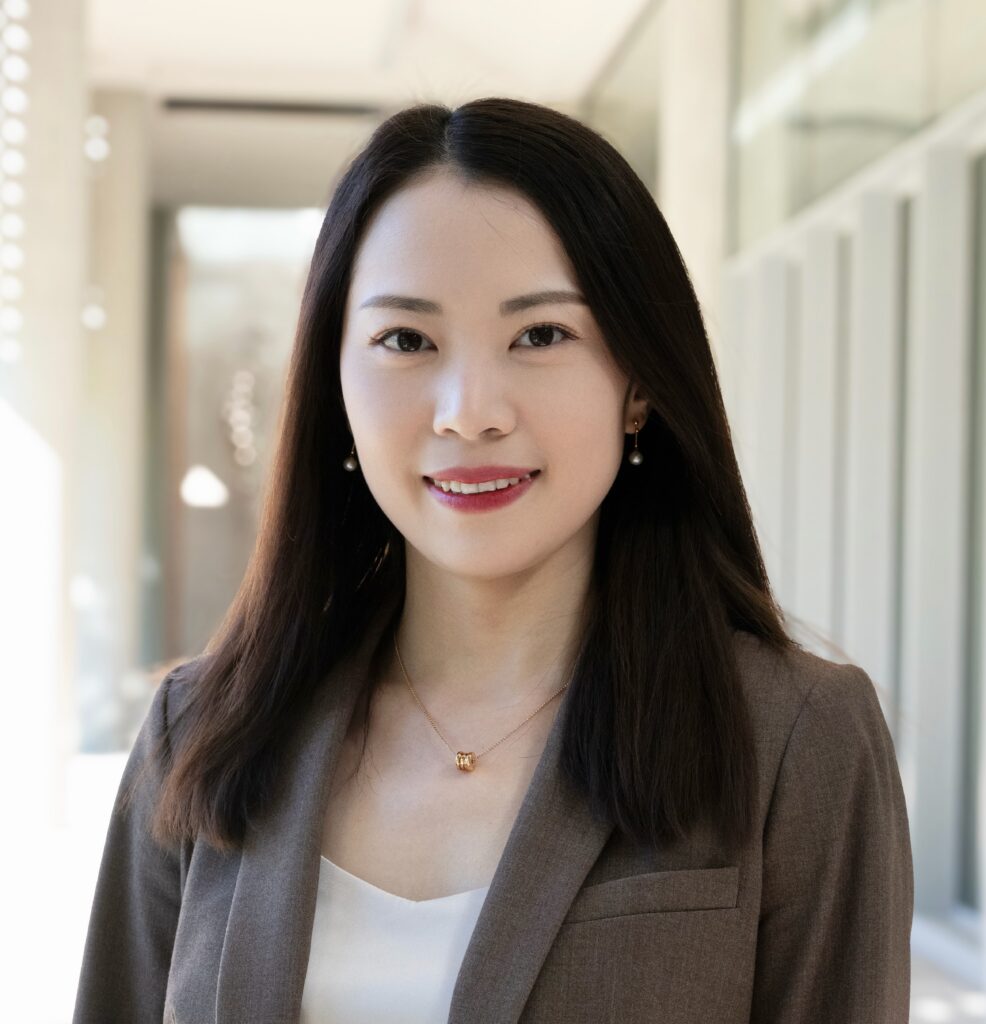
Hanjie Chen is an Assistant Professor of Computer Science at Rice University. Her research spans Natural Language Processing, Interpretable Machine Learning, and Trustworthy AI, with a focus on understanding, evaluating, and improving large language models (LLMs), including multimodal LLMs and LLM agents. Her work aims to uncover the mechanisms underlying model behavior, develop methods to interpret and control model predictions and generations, and improve model efficiency and safety. Her research has been published at leading AI conferences, including ICML, NeurIPS, ICLR, ACL, EMNLP, NAACL, and AAAI, and has received several honors, including EMNLP Outstanding Paper Awards, an NVIDIA Academic Grant Program Award, and the UVA Outstanding Doctoral Student Award. She has served as Senior Area Chair for EMNLP and ACL, Virtual Infrastructure Co-Chair for NAACL, Publication Co-Chair for COLING, and Area Chair for NeurIPS, ACL, EMNLP, NAACL, and COLING.
Towards Language-Empowered Spatial Intelligence for Interactive 3D Worlds
Wanhua Li
Natural language allows humans to describe, reason about, and communicate intentions within the 3D world. Yet AI systems have historically struggled to bridge the open-ended expressiveness of language with the geometric complexity of 3D scenes. My research advances language-empowered spatial intelligence, with the goal of enabling AI systems to interact with 3D and 4D worlds through natural language. This talk surveys my work on the LangSplat family of methods, spanning three core challenges: building efficient language-embedded 3D representations, modeling dynamic semantics in 4D scenes, and enabling instant generalization to novel environments. Together, these advances establish a foundation for language-empowered spatial intelligence.
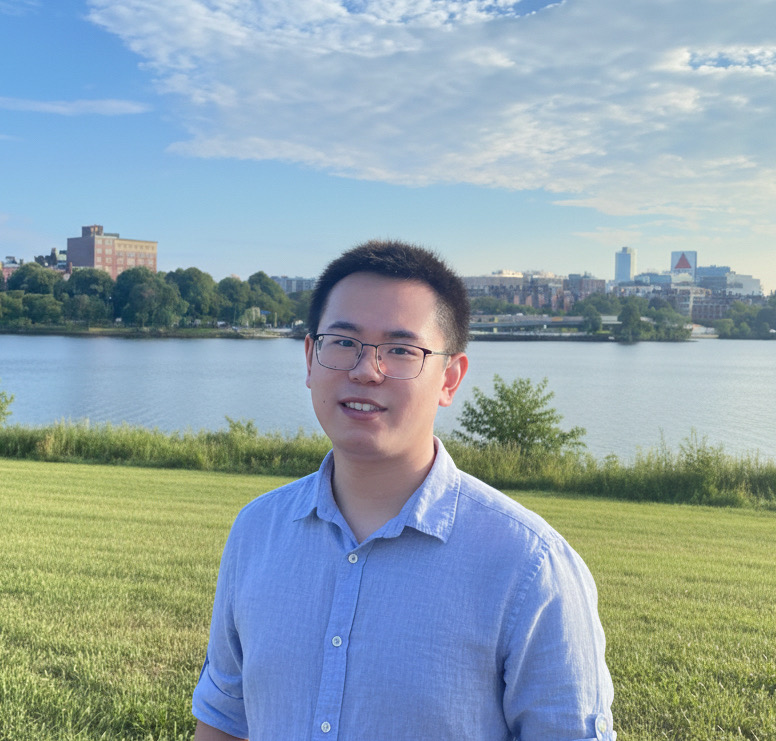
Dr. Wanhua Li is a Nanyang Assistant Professor in the School of Electrical and Electronic Engineering at Nanyang Technological University (NTU), Singapore, where he leads the Spatial Computing and Embodied Intelligence (SPACE) Lab. He joined NTU in January 2026, after serving as a postdoctoral fellow at Harvard University, working with Prof. Hanspeter Pfister. He received his Ph.D. from the Department of Automation at Tsinghua University in 2022, advised by Prof. Jiwen Lu, Prof. Jianjiang Feng, and Prof. Jie Zhou, and his Bachelor’s degree in Computer Science from Sun Yat-sen University in 2017. His research aims to build intelligent systems that can perceive, reason about, and interact with the physical world, spanning spatial and physical intelligence, neural rendering, world models, and embodied AI. He has published over 40 papers in venues including TPAMI, CVPR, ICCV, ECCV, NeurIPS, and ICLR. He serves as an Associate Editor of Pattern Recognition and as an Area Chair for NeurIPS 2026 and ICLR 2027.
Learning What Persists, What Changes, and Why: Reliable AI from Imperfect Observations
Peirong Liu
Real-world observations often see only incomplete, heterogeneous, and time-varying measurements of structured systems. My research combines representation learning, physical and geometric modeling, uncertainty, and generative modeling to recover stable structure, expose latent dynamics, and predict plausible alternatives. This talk traces a path from robust perception to mechanistic reasoning and forward simulation, extending from biomedical imaging to scientific AI.

Dr. Peirong Liu is a tenure-track assistant professor of Electrical and Computer Engineering (ECE) at Johns Hopkins Whiting School of Engineering and Data Science and AI (DSAI) Institute. Her research focuses on applying artificial intelligence to healthcare, at the intersection of machine learning, computer vision, and medical image computing. Before joining Hopkins, Dr. Liu earned her PhD in Computer Science from UNC-Chapel Hill in 2023, and completed her postdoctoral training at Harvard Medical School and Massachusetts General Hospital. She was recognized as a Rising Star in EECS by MIT, and a Rising Star in Data Science by UCSD, UChicago and Stanford.
Trustworthy Atmospheric Modeling with Machine Learning
Ana Lucic
In 2024, global average temperatures exceeded 1.5 C above pre-industrial levels for the first time, crossing an important threshold long viewed as a warning sign of dangerous climate disruption. The increasing frequency of climate-related extreme events such as floods, heatwaves, and large storms highlights the urgent need for atmospheric models that are reliable, interpretable, and computationally efficient. Such models operate as “digital twins” of the atmosphere, forming the scientific foundation for predicting and responding to extreme events. Atmospheric models are also used within climate models, which provide long-term projections of the coupled Earth system (i.e., atmosphere, ocean, land, ice), and are necessary for understanding the long-term impacts of natural and human-induced factors on future climate patterns. Despite their importance, traditional atmospheric models are extremely computationally demanding, relying on numerical integration of partial differential equations along with specialized hardware to generate forecasts and projections. This computational burden severely limits the number of scenarios that can be explored: in weather modeling, it constrains the size of ensembles needed to quantify forecast uncertainty, while in climate modeling, it restricts the range of emission pathways and boundary conditions that can be tested. This talk first examines the recent progress made in ML-based weather models, which can be up to 20000x faster than traditional methods. We will then discuss what exactly data-driven ML weather models have learned and how to assess their physical consistency with known physical laws.

Ana Lucic is an assistant professor in machine learning at the University of Amsterdam working on interpretability and AI for science. Previously, she was a researcher at Microsoft Research Amsterdam and at the Partnership on AI. She has a PhD in explainable machine learning from the University of Amsterdam, along with an MSc and BSc, both in mathematics, from McMaster University. Ana is a member of the European Laboratory for Learning and Intelligent Systems (ELLIS) and the Amsterdam ELLIS Unit.
Her work has been published in venues such as Nature, NeurIPS, ICML, AAAI, AISTATS, CVPR and FAccT.
Mechanistic-Driven AI Safety and Alignment: Understand, Control, Validate
Usman Naseem
Large language models are aligned mainly by adding a behavioural layer through fine-tuning or preference optimisation, and success is judged by their outputs. Yet aligned models still comply with reworded harmful requests, refuse benign ones that only look risky, and flatten diverse human values. Behavioural fixes move a model between these failures without explaining why it behaves as it does. This talk traces how my work moved from evaluating alignment to opening the black box. Starting from benchmarks for harmful content and for pluralistic alignment in healthcare, I show that behaviour reveals failures but cannot explain them. I then present evidence that over-refusal is not governed by a single refusal direction but by task-conditioned representation subspaces, and that the post-training objective determines where refusal circuits form and how robust steering will be. Building on this, I show how task-aware and value-aware steering reduces over-refusal and bias at inference time without retraining or loss of capability, and close with open problems in causally verifying values and monitoring unfaithful reasoning.
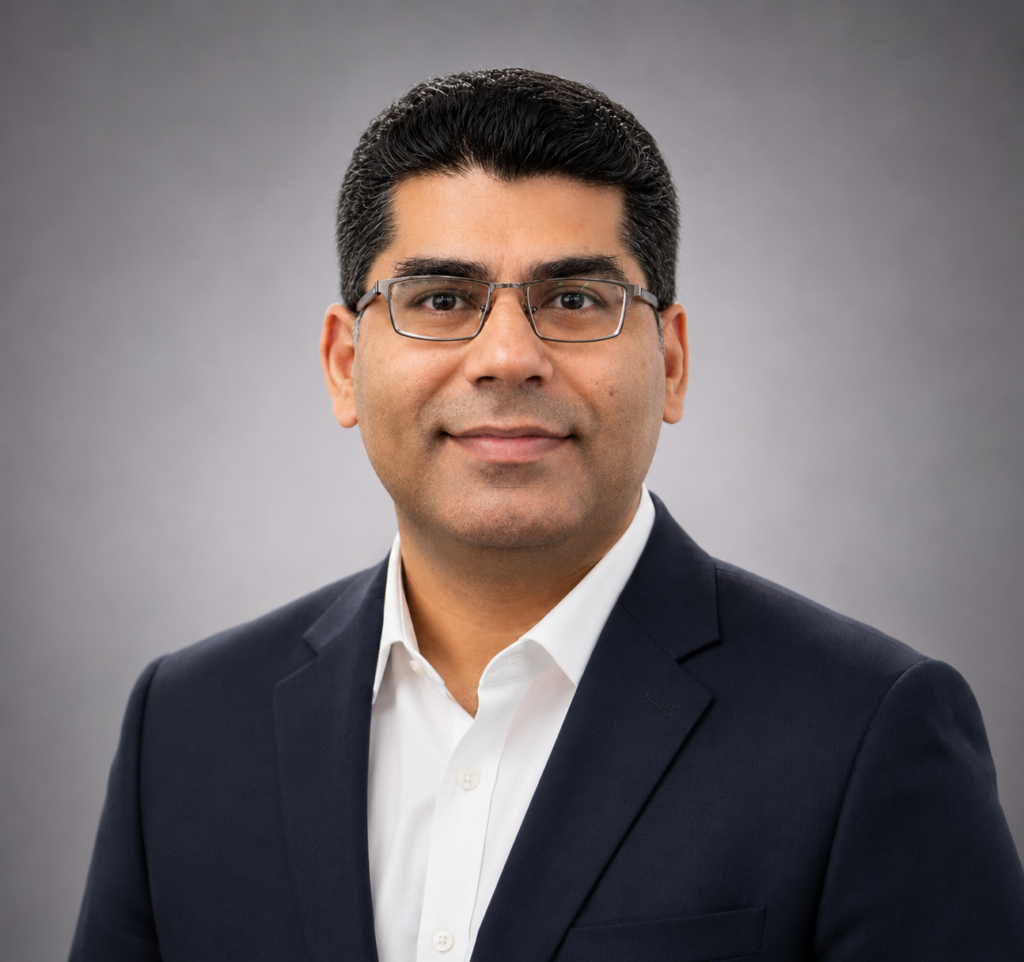
Usman Naseem is a Lecturer in the School of Computing at Macquarie University, where he is Head of the SocialNLP Lab. He came to academia after about a decade in industry. His research in AI and NLP centres on the safety and alignment of large language models and on NLP for social good, with applications in high-stakes domains such as health and defence. His current work aligns models with human preferences, values and cultures, and uses mechanistic interpretability to understand and control how aligned behaviour emerges inside models. He received the BESC 2026 Rising Star Award, nine Best Paper Awards including at AAAI 2026, and the DAAD AINet Fellowship, and he has been selected as a New Faculty Highlights speaker at AAAI-27. His research is supported by UNICEF’s Safe Online initiative and the Australian Department of Defence, among others. He has served as Program Co-Chair of the Web4Good track at WebConf 2026 and as Senior Area Chair for EMNLP 2025, EACL 2026 and ACL 2026. He also leads the Trustworthy NLP theme of the IEEE Task Force on Trustworthy AI and co-organised SemEval-2026 Task 9. More at https://usmaann.github.io/
Bidirectional Human-AI Alignment: Maximizing Capabilities and Minimizing Risks in Human-AI Co-Evolution
Hua Shen
The central premise of my research is that alignment is a bidirectional, evolving process. AI systems must respond to human values, feedback, and cognition, while people must be equipped to interpret, audit, and calibrate their reliance on AI. Drawing on a systematic review of more than 400 papers across machine learning, natural language processing, and human–computer interaction, I introduced the Bidirectional Human–AI Alignment (BiAlign) framework and developed empirical methods for studying its three interconnected dimensions: (1) Aligning AI with humans examines whether models consistently translate human values into actions and generalize them across contexts. (2) Aligning humans with AI develops tools and methods that enable people to critically evaluate, steer, and collaborate with AI while preserving their agency. (3) Dynamics and co-evolution investigates how these directions interact over time, as models adapt to people and people adapt to models. Each adaptation changes the goals, expectations, and feedback that guide the other. Together, these contributions establish a research agenda for understanding and shaping human–AI co-evolution to expand human capabilities and mitigate emerging risks.
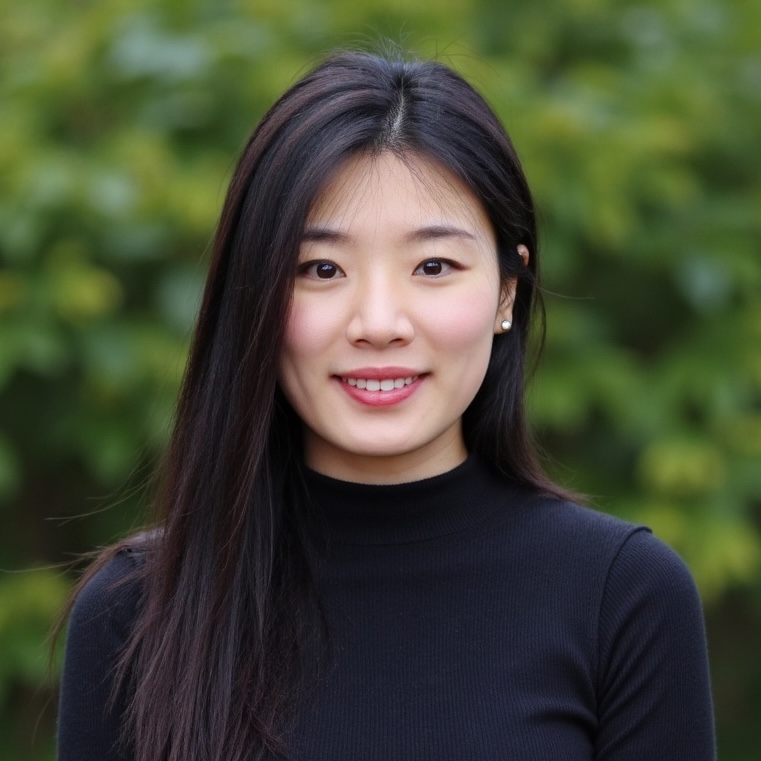
Hua Shen is an Assistant Professor of Computer Science at NYU Shanghai, jointly appointed at New York University. She pioneers Bidirectional Human–AI Alignment (BiAlign), a dynamic paradigm in which humans and AI continually align, collaborate, and co-evolve. Her research advances agentic AI that becomes safer, more ethical, and better aligned with human values as its capabilities grow. She has also initiated and led a series of BiAlign community events, including the NeurIPS’25 Tutorial, ICLR’25 BiAlign Workshop, CHI’26 BiAlign Workshop, etc. She has received the 2026 NSFC Young Scientists Fund, as well as multiple Shanghai Talent Awards: the Pearl Elite Talent, Magnolia Talent, Oriental Talent, and Pujiang Talent Awards, and the Pudong Postdoctoral Program. She also received the 2026 Google Gemini Academic Program Award and a 2026 Thinking Machines Lab Research Grant. She was named a 2023 Rising Star in Data Science by Stanford University, the University of Chicago, and UC San Diego. Her publications have earned multiple honors, including the CHI 2026 Best Paper Honorable Mention Award, the EMNLP 2025 Outstanding Paper Award, the Best Paper Award at AIED 2024, the Best Demo Award at CSCW 2023, the Best Paper Honorable Mention at IUI 2023, etc. She received her Ph.D. from The Pennsylvania State University and was a postdoctoral scholar at the University of Michigan and the University of Washington. More at https://hua-shen.org.
Training AI Co-Scientists for Biomedical Data Science: Evidence, Execution, and Evolution
Wenqi Shi
Biomedical discovery advances through cycles of question, evidence, analysis, and experiment, each bottlenecked by the expert labor of turning a question into a verified analysis over electronic health records, scientific literature, medical images, and omics datasets. Large language model (LLM) agents can survey literature and propose hypotheses, but reliable scientific work also requires grounded reasoning, executable analyses, and learning from verified outcomes. My research builds AI co-scientists around three capabilities: Evidence, reasoning grounded in retrieved biomedical knowledge; Execution, action on data through code whose outcomes can be checked; and Evolution, training environments that convert those checks into reward so that open models improve. The unifying principle is to turn verification, a scarce resource in scientific AI, into a reusable training signal.
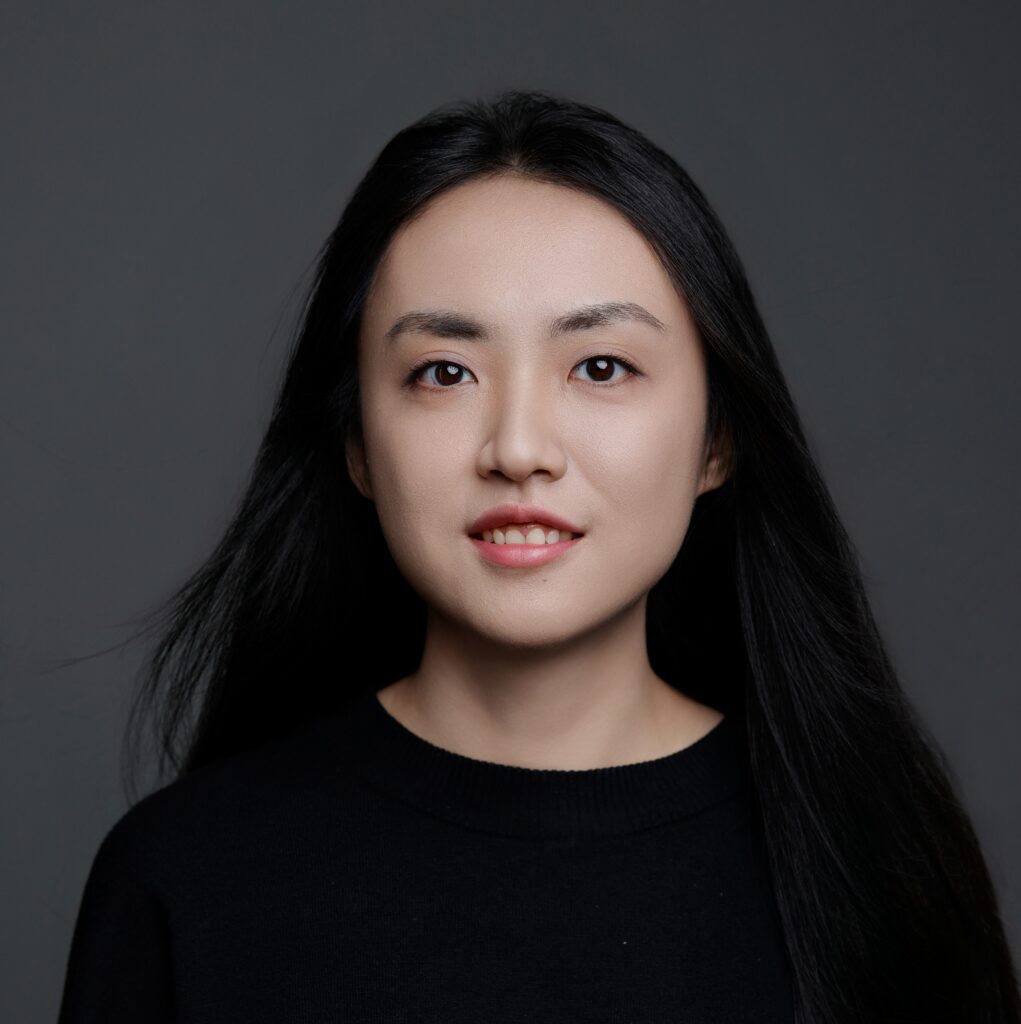
Wenqi Shi is an Assistant Professor in the Department of Genetics at Washington University in St. Louis. Her research focuses on scaling agentic intelligence toward autonomous co-scientists in biomedical data science, building search- and tool-augmented AI systems capable of reasoning over domain knowledge, executing reproducible research workflows, and continuously improving through interaction with biomedical environments. Her work has been recognized by the Anthropic AI for Science Program, Google Gemini Academic Program, Thinking Machines Lab Tinker Research Grant, NVIDIA Academic Grant Program, EECS Rising Star Award, and ACM SIGBio Best Paper Award.
Learning to Plan and Planning to Learn
Tom Silver
Robots should make good decisions quickly with minimal human supervision. Planning offers good decisions; learning offers speed and generality. This talk surveys a research program that integrates the two. Robots in this work learn to plan: they invent the predicates, operators, and skills needed for task and motion planning, guided by the principle that abstractions should be judged by the decisions they support. They learn to plan fast: they attend to the objects that matter, ignore most of the world, and replace search with generalized plans, including programs generated by pretrained large language models. And they plan to learn: they choose what to practice, set up their own practice scenes, and improve their skills over hours without human intervention. The talk ends with my lab’s current work on robots that keep learning after deployment, including assistive systems used by care recipients in their own homes. Throughout, I will argue that learned, inspectable planning abstractions are the right substrate for robots that adapt to the people they serve.
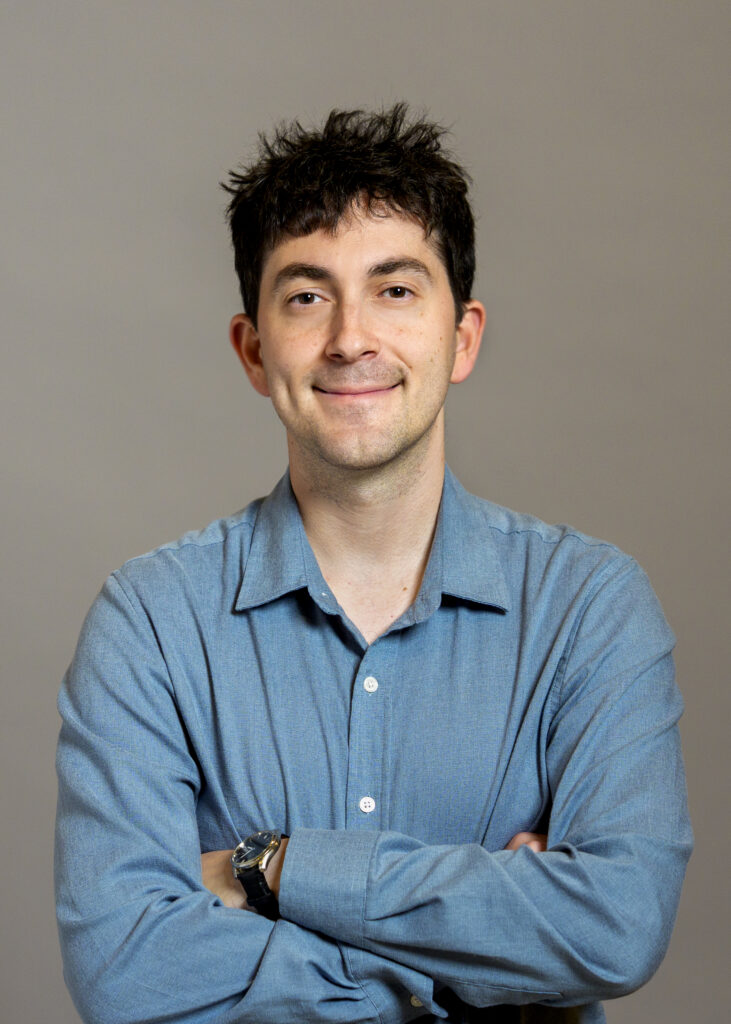
Tom Silver is an assistant professor at Princeton in the Electrical and Computer Engineering department and a core faculty member in robotics. He is director of the Princeton Robot Planning and Learning (PRPL) group, whose mission is to develop generalist robots that plan and learn to help people. A major focus of the group is assistive robotics, with the long-term goal of robots that provide personalized physical assistance in homes. Prior to joining Princeton, Tom was a postdoc with Tapo Bhattacharjee at Cornell from 2024-2025. He received his PhD in 2024 from MIT EECS, where he was advised by Leslie Kaelbling and Josh Tenenbaum, and his B.A. from Harvard with highest honors in computer science and mathematics in 2016. He has also spent time at Google Robotics and the Robotics and AI Institute (formerly Boston Dynamics AI). His work has been supported by an NSF Graduate Research Fellowship and an MIT Presidential Fellowship, and has been recognized with an RSS Best Paper Award (2025) and an IROS Best Paper Finalist Award (2021).
Machine Learning for Algorithms: Weak Predictions and Costly Verification
Ali Vakilian
The learning-augmented algorithms paradigm augments classical algorithms with fallible predictions to improve performance without abandoning provable guarantees (LV’18; HIKV’19; KPS’18; IVY’19; CSVZ’22). Across data summaries, streaming and graph algorithms, and metric optimization, my work asks what computational benefit unreliable advice can provide. This talk focuses on two models: $\varepsilon$-accurate predictions, which are only slightly better than random guessing, and weak–strong oracles, which trade cheap, corrupted distances for a few costly exact queries.
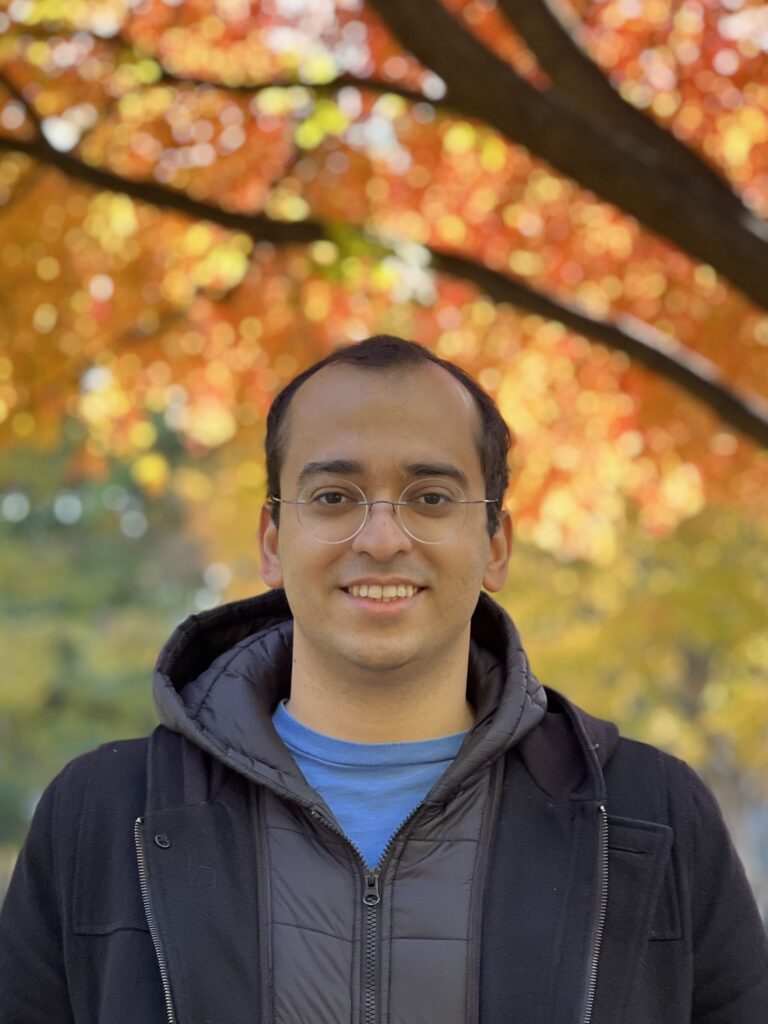
Ali Vakilian is an Assistant Professor in the Department of Management Science and Information Systems at Rutgers Business School. His research is on algorithmic foundations of Machine Learning, spanning algorithms for massive data, learning-augmented algorithms, and trustworthy machine learning. He is a recipient of the 2026 NSF CAREER Award and the AISTATS 2024 Outstanding Student Paper Highlight Award. Before joining Rutgers, he was an Assistant Professor of Computer Science at Virginia Tech and a Research Assistant Professor at the Toyota Technological Institute at Chicago (TTIC). He received his Ph.D. in EECS from MIT and an M.S. in CS from the University of Illinois Urbana-Champaign, where he was named a Siebel Scholar.
Physically Grounded World Models: From 3D/4D Understanding to Prediction and Action
Guangming Wang
Robots have become increasingly good at recognising objects and reconstructing scenes. The harder question is physical prediction: how will a changing physical world respond if a robot pushes, lifts, places, pours, or makes contact? A visually plausible predicted frame may still violate geometry, dynamics, or material behaviour, while a policy learned from correlation may fail confidently outside its training distribution. My research therefore develops \textbf{physically grounded world models} that connect persistent 3D/4D understanding, action-conditioned prediction, and robot decision making. The model is not a passive scene description; it is the interface through which perception and action continually inform one another.
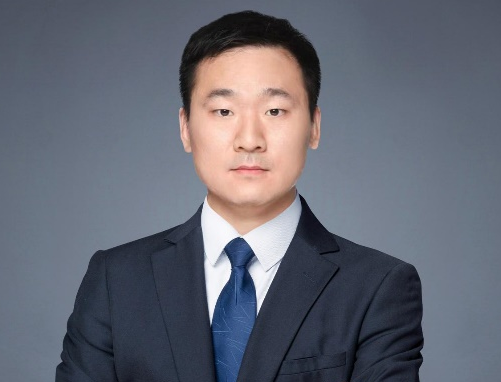
Guangming Wang is a Ward & Burke Assistant Professor at the School of Engineering, University of Galway, and a Visiting Assistant Professor at the Department of Engineering, University of Cambridge. He is also affiliated with Ward & Burke Centre for Infrastructure Research and Innovation (CIRI); the Centre for Robotics, Automation and Modelling for Environmental and Sustainable Systems (RAMES), the Ryan Institute; Cambridge Centre for Smart Infrastructure and Construction (CSIC); and Cambridge Laing O’Rourke Centre.
He received his Ph.D. from Shanghai Jiao Tong University. He was a Visiting Researcher at ETH Zurich. Then, he joined the Department of Engineering at the University of Cambridge as a Research Associate.
He serves as Associate Editor for IEEE RA-L, ICRA, and IROS, and was awarded the Best Associate Editor Award of ICRA 2026. His research connects robot perception, localization, mapping, world models, and robot manipulation. He has authored or co-authored more than 100 papers in IEEE Transactions on Robotics (T-RO), and International Journal of Robotics Research (IJRR), IEEE Transactions on Pattern Analysis and Machine Intelligence (T-PAMI), as well as at ICRA, IROS, CVPR, ICCV, ECCV, NeurIPS, ICML, ICLR, etc. He received best Ph.D. thesis awards from both the Chinese Association of Automation and Shanghai Jiao Tong University. He was also selected as a DAAD AI and Robotics Fellow in 2022 and AAAI New Faculty Highlight in 2027.
Learning under Imperfect Supervision in an Increasingly Multimodal World
Xiaobo Xia
Modern artificial intelligence (AI) increasingly learns from supervision that cannot be fully trusted. Class labels may be corrupted, while multimodal signals can be noisy, missing, or change over time. This talk presents my research on a common question across these settings: how can learning systems recover reliable knowledge from imperfect supervision? I will first discuss learning with noisy labels, including how to characterize realistic corruption, distinguish reliable from unreliable examples, and recover useful information from imperfect annotations. I will then extend this perspective to multimodal learning, covering noisy and missing modalities, continual modality acquisition, and modality generalization. Together, these studies point toward multimodal AI systems that can understand what supervision to trust, adapt how evidence is integrated, and learn reliably in open and imperfect environments.
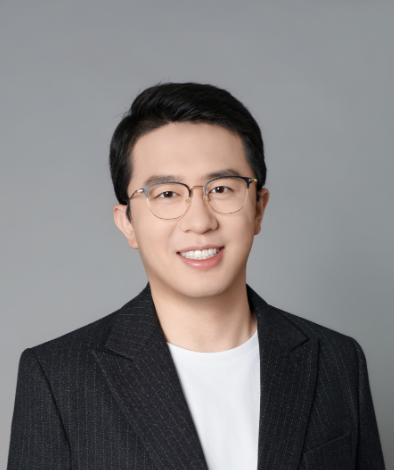
Xiaobo Xia is currently a professor at the University of Science and Technology of China. His research focuses on multimodal artificial intelligence, specifically world models, foundation models, and weakly supervised learning in multimodal scenarios. He has published more than 50 technical papers in prominent journals and conferences such as Nexus (Cell Press), IEEE Transactions on Pattern Analysis and Machine Intelligence, ICML, NeurIPS, ICLR, CVPR, ICCV, AAAI, etc. He serves as the action editor for Transactions on Machine Learning Research and the (senior) area chair of several top-tier conferences such as ICML, NeurIPS, ICLR, ACM MM, ACL ARR, etc. He is a recipient of AAAI New Faculty Highlights, Google Fellowship, JProcRSNSW Ph.D. Thesis Award, and NeurIPS Top Area Chair Award. He is included in the 2025-2026 World’s Top 2% Scientists List.
From Forensics to Foresight: Verifying Internal Reasoning for Trustworthy LLMs
Hanqi Yan
As large language models transition from passive tools into autonomous agents acting in longitudinal tasks, the failures in the middle propagate silently into real-world harm. This talk surveys a research programme whose central conviction is that the path to trustworthy AI lies not in optimising final outputs, but in understanding, constraining, and ultimately steering the internal mechanisms that produce them: making interpretability not merely descriptive, but actionable.
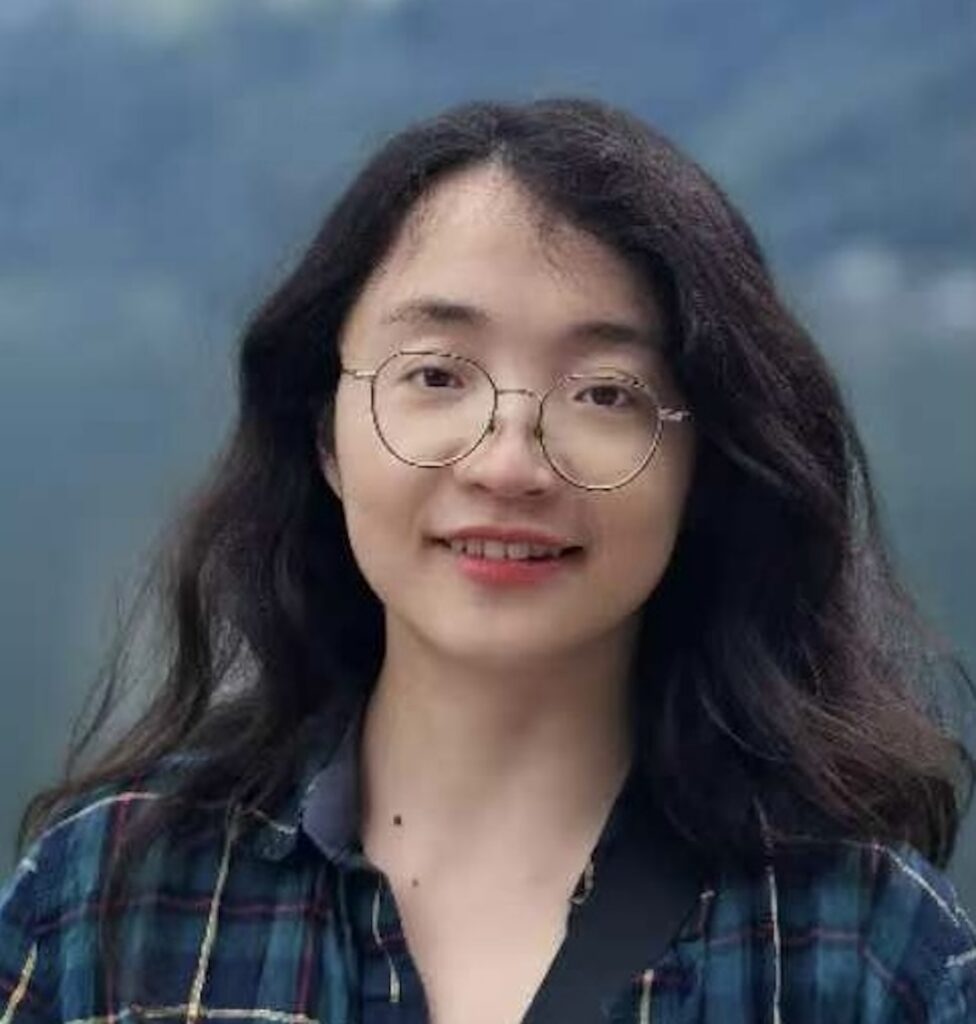
Hanqi Yan is an Assistant Professor at King’s College London (hanqi.yan@kcl.ac.uk), Department of Informatics, affiliated with the NLP group. Before that, she was a postdoctoral researcher in the same department (2024-2025). She mainly focuses on interpretability and alignment for language models on various reasoning tasks, with an emphasis on uncovering the underlying mechanisms that drive model behaviour. She serves as Area Chair/Senior PC for ACL, EMNLP, COLM and AAAI. She delivered a AAAI26-tutorial about “structured representation learning for LLM interpretability, generalisability and transferability”. She obtained her Ph.D from the University of Warwick (2024), Msc and BEng from Peking University and Beihang University.
Towards Multisensory, Generative, and Agentic AI for Health
Yuzhe Yang
Health evolves continuously, yet healthcare observes people primarily through intermittent clinical encounters. My research develops AI that learns from everyday physiological and multisensory signals to make healthcare predictive, personalized, and accessible. The central idea is to connect multisensory representations with generative models grounded in physiology and agentic systems that support longitudinal reasoning. I will discuss our recent work on foundation models on human physiology, health assessment from everyday devices, and language-grounded analysis of wearable and sleep signals. I will also outline how these capabilities can support agents that interpret physiological change and assist patients, clinicians, and scientists, moving healthcare toward continuous intelligence beyond the clinic.
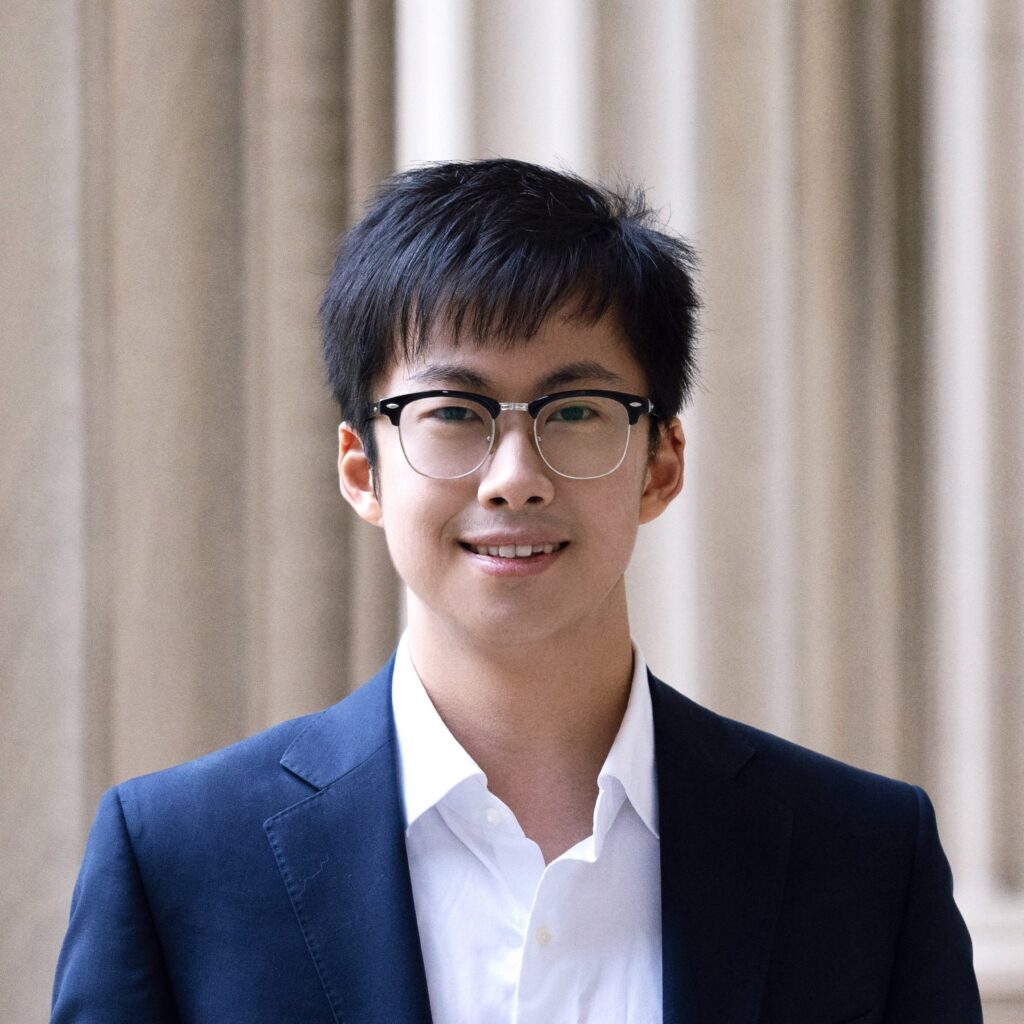
Yuzhe Yang is an Assistant Professor at UCLA, where he directs the Health Intelligence Lab. He received his Ph.D. in Computer Science at MIT. His research interests include machine learning, artificial intelligence, and AI for science, medicine, and human health. His research has been published in Nature, Nature Medicine, Science Translational Medicine, NeurIPS, ICML, and ICLR, and featured in media outlets such as WSJ, Forbes, and BBC. His work has been recognized by the Ten Notable Advances in 2022 by Nature Medicine, Rising Stars in AI and Data Science, AMIA Doctoral Dissertation Award, and Forbes 30 Under 30.
Reinforcement Learning beyond Reward Maximization
Andrea Zanette
How can foundation models make the most effective use of feedback from their environment? Reinforcement learning traditionally approaches this question by maximizing expected reward. However, interactions with the environment can provide much richer information, from binary success signals to textual critiques and physical observations.
In this talk, I will discuss a research agenda aimed at developing learning algorithms that make better use of increasingly rich forms of feedback. First, I will introduce maximum likelihood reinforcement learning (MaxRL), which reformulates learning from binary rewards as a likelihood maximization problem and leads to more effective training algorithms. Next, I will discuss reinforcement learning from textual feedback (RLTF), which enables models to internalize natural language critiques and improve their performance without requiring feedback at test time. Finally, I will outline a path toward building an AI physicist: a system that learns from visual and physical observations by constructing, testing, and refining falsifiable theories of how the world works. I will discuss our preliminary progress toward this goal and its implications for robotics and scientific discovery.
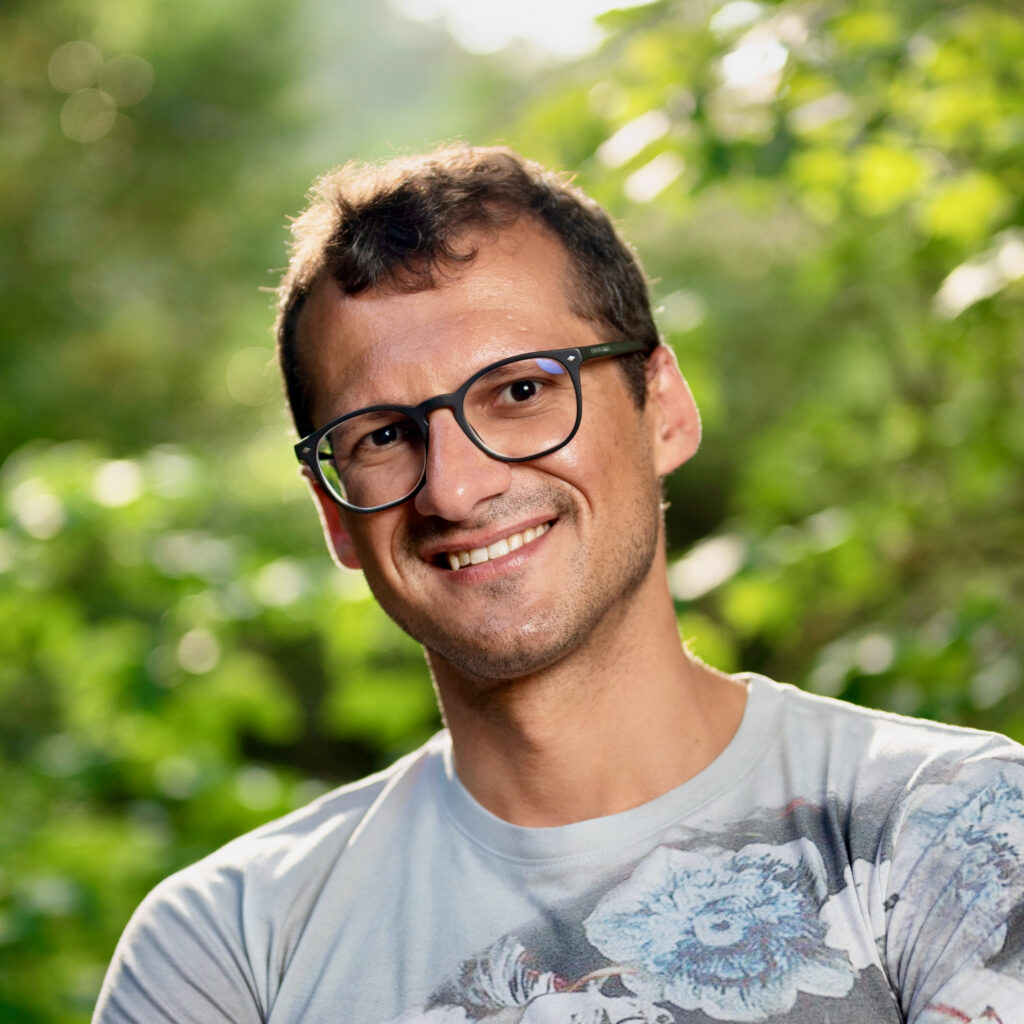
Andrea Zanette is an Assistant Professor at Carnegie Mellon University. His research spans foundation models from theory to practice, focusing on reasoning, alignment, efficiency, and optimization in large language models. Before joining CMU in 2024, he was a postdoctoral scholar at UC Berkeley and earned his PhD at Stanford University, where he established fundamental results in reinforcement learning theory.
Learning Structured Knowledge for Efficient and Grounded Reasoning
Yongqi Zhang
Structured knowledge can help intelligent systems organize what they learn, focus computation on relevant information, and connect conclusions to supporting evidence. This talk surveys my research on three complementary directions: learning and organizing knowledge, selecting and using knowledge, and grounding decisions in evidence. Drawing on knowledge graph reasoning, scientific discovery, and multimodal learning, I will illustrate how relational representations, selective computation, and explicit verification support these goals. I will conclude with an agenda for learning reusable knowledge from visual experience.
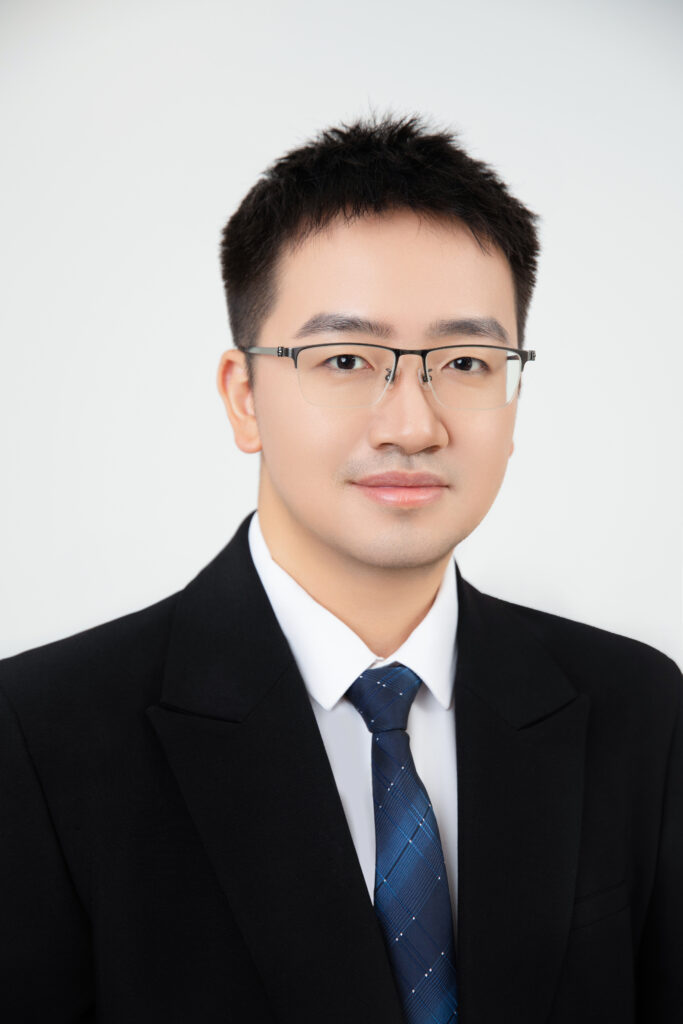
Yongqi Zhang is a tenure-track Assistant Professor in the Data Science and Analytics Thrust at HKUST (Guangzhou), which he joined in 2024. His research focuses on multimodal and agentic intelligence, efficient LLM architectures and systems, and AI for science and engineering, with an emphasis on integrating knowledge into learning and reasoning. Before joining HKUST (Guangzhou), he was a Research Scientist at 4Paradigm Inc. Dr. Zhang received his Ph.D. in Computer Science and Engineering from HKUST in 2020, under the supervision of Prof. Lei Chen. He received his bachelor’s degree from Shanghai Jiao Tong University in 2015. His research has appeared in journals including Nature Computational Science, Nature Communications, IEEE TPAMI, and Artificial Intelligence, as well as conferences including NeurIPS/ICLR/ICML, ACL/EMNLP, and KDD. He also maintains close collaborations with industry partners, including Tencent, Huawei, Baidu, OPPO, and Noumena AI.